

Living in the Waimakariri District
There’s a lot to learn about settling in your new environment and in the Waimakariri District have a range of organisations and services that are here to help. Here you will find information about ‘how to kiwi’ or living in New Zealand.
Useful Information
Find helpful links and support services to help you settle into life in New Zealand, including information about your rights, accommodation, IRD numbers, banking, immigration support, and where to get extra help.
Your Rights In New Zealand:
Visit Immigration.govt.nz
Rental Applications:
Visit Immigraton.org.nz
Tenancy Rights and Responsibilities:
Visit Tenancy Tribunal
Healthy homes:
Visit Healthy Homes
What you need:
Visit Banking In New Zealand
IRD Applications:
Visit IRD Applications
Paying taxes in NZ:
Learn More
Citizens Advice Bureau
Visit CAB Website
Immigration NZ:
Visit INZ Website
If you can’t find what you’re looking for or need additional support please contact the Waimakariri District Council’s Cultural Inclusion Facilitator or Welcoming Communities Facilitator on 0800 965 468.

Emergencies
NATIONAL EMERGENCY PHONE NUMBER: 111 this is always a free call, it will work even if you don’t have credit on your phone, and will connect you to the fire service, police and ambulance.
In case of a disaster (earthquake, flooding, cyclone, etc.) you may need to look after yourself for at least seven days before the emergency services can reach you. Make sure you have enough water and food stored for you and your family. You can find more information about how to prepare for an emergency here – https://getready.govt.nz/
Helpful Information:
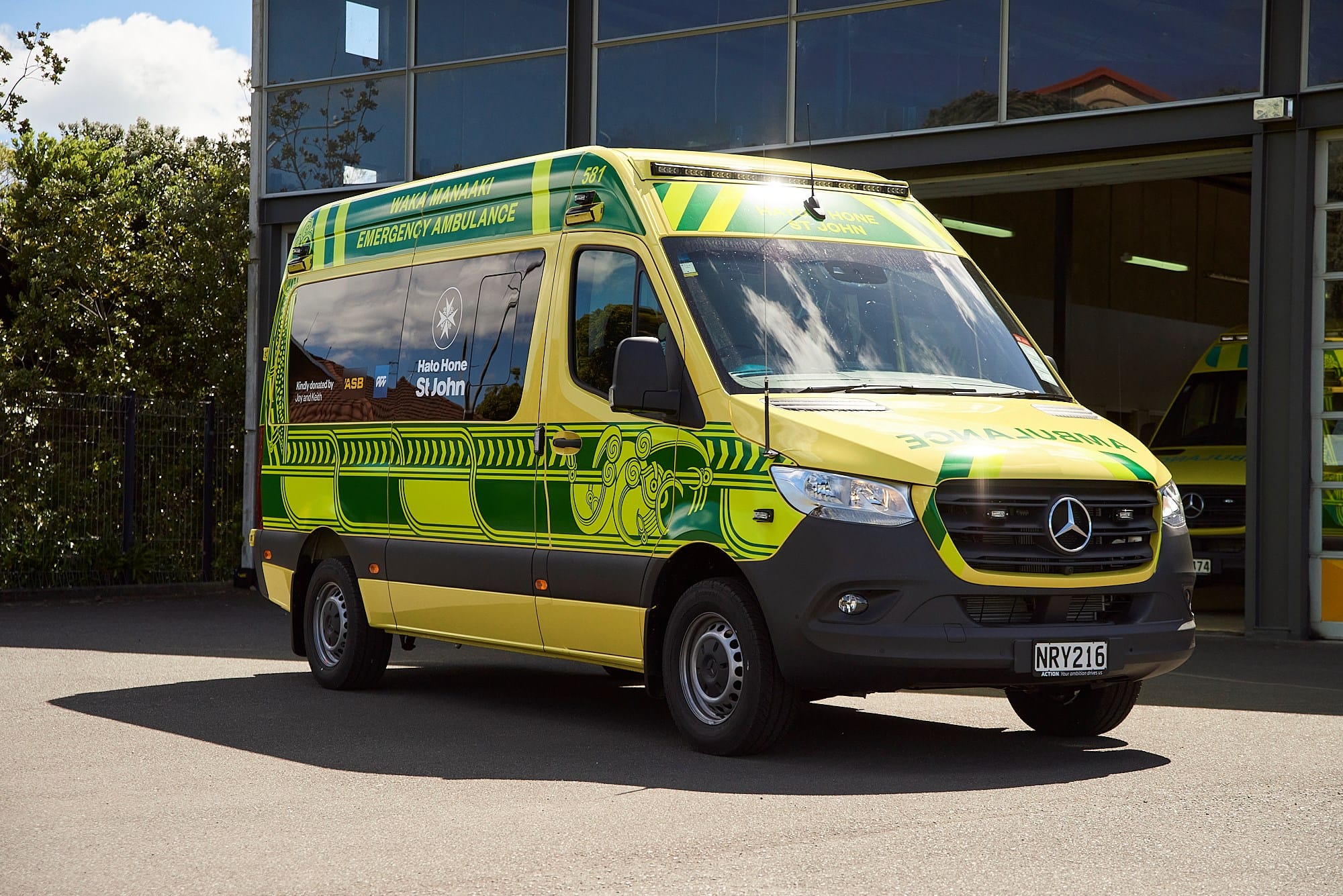
- In a medical emergency, call 111 and ask for “Ambulance”.
- Call Healthline on 0800 611 116 if you are unsure.
- For the hearing or speech impaired, you can register for 111 TXT (Click Here).
When you call 111 you will speak to a professional who will make sure you or the person you are calling for receives the right care at the right time.
What to do when your 111 call is answered
Ask for Ambulance.
Say which service you need – Police, Fire or Ambulance. Ask for Ambulance. Your call will then be transferred to them.
Give the address of the emergency.
Tell the call handler exactly where the emergency is taking place. Give as much information as you can including the house number and street name, or the name of the business.
Give the phone number you are calling from.
They will ask you to give the phone number you are calling from; in case they need to call you back.
Describe what has happened.
Tell the call handler what has happened. They will ask you questions like “Are you with the patient?” “How old is the patient?” “Is the patient awake?” “Is the patient breathing?”.
Listen to what to do next.
While you talk to the call handler, someone called a ‘dispatcher’ will be arranging help. The call handler will tell you what to do next. If necessary, they will stay on the line to help you until an ambulance or other help arrives.
Stay on the call.
Do not hang up the call until the call handler tells you to. They will make sure that you have the help you need first.
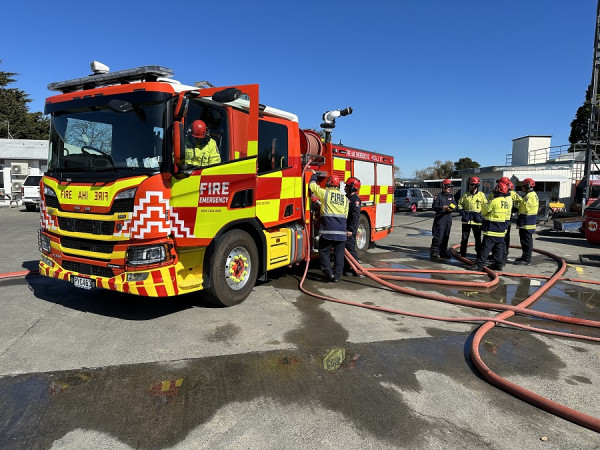
If you see smoke or fire and believe there’s a risk to people or property, call 111 and ask for ‘Fire’ immediately. If you’re not sure whether it’s a real emergency or not, call 111 and ask.
When in doubt, call 111.
What you need to tell Fire and Emergency New Zealand
When you call 111, an operator will ask whether you need Fire, Ambulance or Police.
Ask immediately for ‘Fire’. Ambulance and Police may also attend but the first priority is to get a fire engine on the way.
Always call 111 if you need a fire engine. Don’t call your local fire station.
You’ll need to give the operator the following information to help us find the fire:
- House number
- Street name
- Nearest intersection
- Suburb and city
- Rural Address Property Identification (RAPID) number if you have one.
Once they know the location of the fire, they’ll ask about the nature of the emergency. They’ll probably ask if anyone is injured or trapped. This will help them make sure the first responders are ready to act when they arrive.
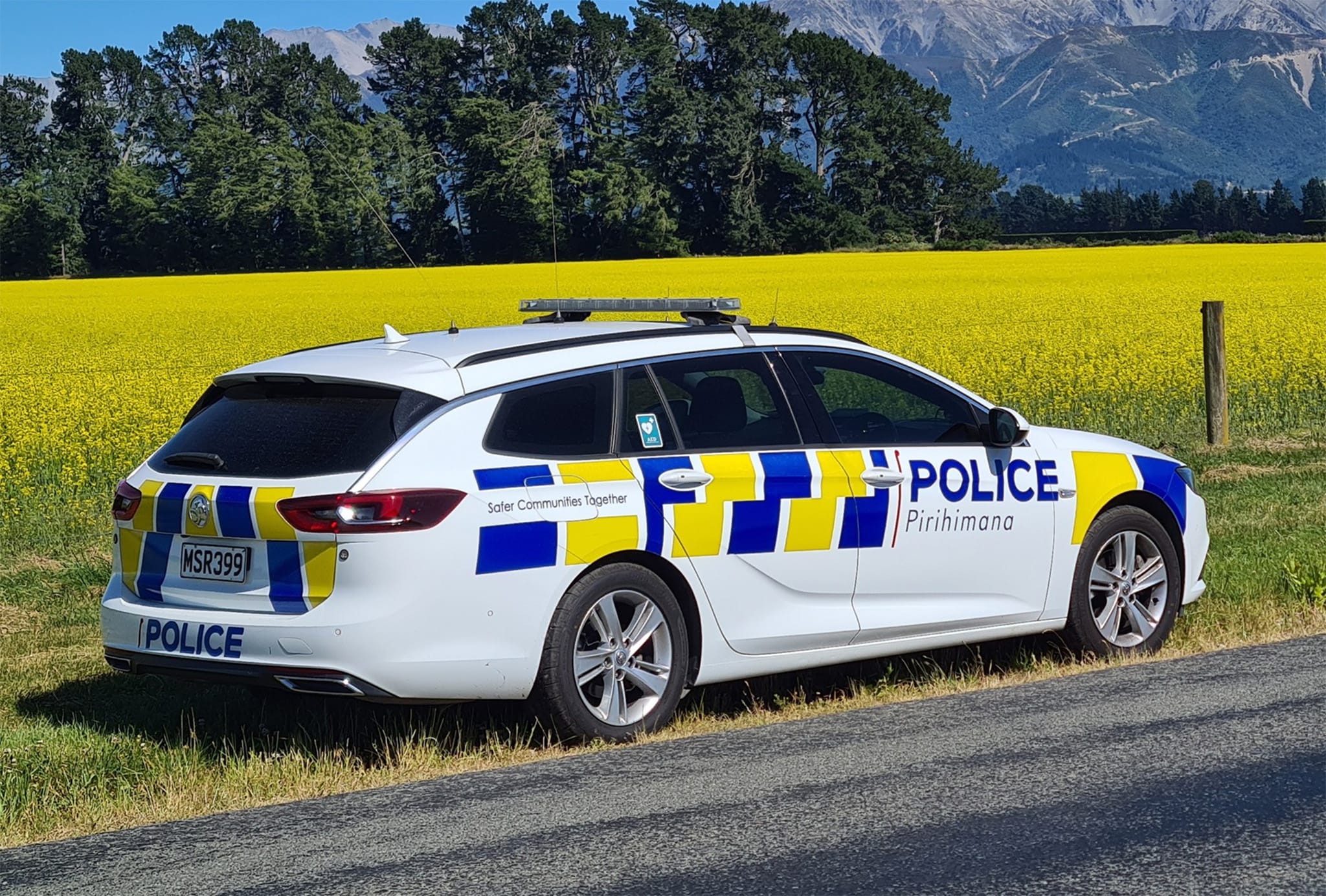
Call 111 and ask for Police when:
- People are injured or in danger; or
- There is a serious, immediate, or imminent risk to life or property; or
- A crime is being or has just been committed and the offenders are still at the scene or have just left.
If you can’t decide if it’s a real emergency and you’re still worried, call 111 and ask the operator. They will help you work out what to do.
Reporting options for non-emergency situations are available via the Police Non-Emergency service
Alternative Police contacts for non-emergency situations can be accessed on the Police website or by calling 105.
Safety
If you see smoke or fire and believe there’s a risk to people or property, call 111 and ask for ‘Fire’ immediately. If you’re not sure whether it’s a real emergency or not, call 111 and ask.
Many people choose Waimakariri as it is a safe and peaceful district. We still recommend that you take a few steps to keep yourself, your family and your belongings safe.
Don’t give your full name, address, personal details or bank account information to people that you do not know or trust, especially over the phone, text or via e-mail.
Consider getting insurance – most people have car insurance, contents insurance and home insurance (if they have a property).
If you need more information about keeping safe at home, on the road or near water, see the information below:
- https://www.shakti.org.nz/
- Protecting Personal information https://www.immigration.govt.nz/live/staying-safe-and-knowing-your-rights/keeping-yourself-safe-in-new-zealand/
- Road Safety – NZTA website (driver licence requirements), Driving to NZ conditions
- Water Safety
- ECAN https://www.ecan.govt.nz/
- Lifeguard websites https://safeswim.org.nz/
- Recreational Safety
- Metservice link for checking the weather forecast https://www.metservice.com/
- Enjoying the outdoors – be prepared, take the appropriate clothing and equipment
- Hiking – trails https://visitwaimakariri.co.nz/discover/
- Camping – DOC https://www.doc.govt.nz/
- PLB – personal locator beacon – can be hired https://www.doc.govt.nz/parks-and-recreation/know-before-you-go/distress-beacon/
- Netsafe! https://netsafe.org.nz/
- NC Neighbourhood Support. https://www.ncns.org.nz/

Health & Wellbeing
For life threatening health emergencies free phone 111 for an ambulance.
For non-life threatening or after-hours health situations phone your local (General Practice, or GP) or you can phone Healthline on 0800 611 116 to speak to a registered nurse.
If you are a visa holder and it allows you to stay in New Zealand for two or more years, you are eligible to enrol with a medical centre. If this is not your case, you will have to pay full price when using health services.
This is an important step in your relocation process. We recommend taking care of it as soon as possible.
For regular health and medical care, it’s a good idea to register the whole family with a general practice. The doctor is also known as a general practitioner, or GP. Most general practices are part of a Primary Health Organisation (PHO), which allows patients to receive cheaper doctors’ visits and reduced costs of prescription medicines.
You can ask your local general practice if they are part of a PHO.
Children under the age of 14 years can visit the doctor for free.
- Your rights https://www.hdc.org.nz/your-rights/your-rights-in-different-languages/ including interpretation services https://healthify.nz/translations/i/interpreter-services
- Health New Zealand – https://info.health.nz/ covers a lot of the information you may be looking for
- Doctors
- Translation is a legal requirement at medical appointments
- Pharmacies
- Dental
- Pregnancy & Maternity
- There are resources and community groups to support your wellbeing:
- Plunket is an organisation that supports children under the age of 5 and their families. There are 3 centres in Waimakariri in Rangiora, Oxford and Kaiapoi. You can find out more www.nextsteps.org.nz/listing-item/plunket/
- Nationwide Health & Disability Advocacy Service supports people living with disabilities by being advocates and ensuring you know your rights and have someone to advocate for you.

Education
By law, parents must send their children to school from ages six to 16, unless they have obtained permission from the Ministry of Education to homeschool. You can enrol your child from the age of five. Schools are zoned, let the school in your neighbourhood know about your child and talk about what your child may need (uniforms, devices) and any other support needed.
There are a range of primary and high school options. Children are legally required to begin primary school by age six. Find your local school on https://www.educationcounts.govt.nz/home and to understand the qualification system in New Zealand – Ministry of Education
Children under the age of five years old can be enrolled at kindergartens, play centres and childcare facilities. Between the ages of three and five, your child may be eligible for 20 hours per week of free childhood education. Talk to staff at your early childhood education centre to find out more.
The Waimakariri District Council offers free English Language Classes on a Saturday during school term time. To enrol contact Julie Cloughley, cloughju@hotmail.com.

Employment
The Waimakariri District has a range of industries and employment options. Looking for work in a new place can be challenging but there are services that can help.
Getting work-ready – The local Citizen’s Advice Bureau (CAB) can support you in getting work ready through employment clinics that are run every 2 weeks. At these clinics you can get support around finding employment and interview tips. These sessions need to be booked -find out more here – https://www.cab.org.nz/location/cab-north-canterbury
Employee rights – When working in New Zealand, you have certain rights and responsibilities, which are important to know so that you are treated fairly. This website can help you get the most up-to-date employment information: https://www.employment.govt.nz/starting-employment/rights-and-responsibilities
KiwiSaver is a work-based savings scheme where you, your employer and the government contribute to a savings fund for your retirement. You can join KiwiSaver if you are a resident, permanent resident or a New Zealand citizen. Kiwisaver
Setting up a business. Establishing your own business in New Zealand is quite a simple process, and there are many resources available to support you. Check out www.business.govt.nz for a range of tools and templates to help you get started. Visit the IRD website for advice about taxes and Community Law Canterbury’s website for legal advice.

Community Living
Many people choose to live in the Waimakariri because of the environment, proximity to Christchurch and the “small town” lifestyle. This section has links to making living here easier and help you feel more connected and involved in your new hometown.
Libraries in the district are more than books! They are community hubs, where you can find information, helpful resources (like job seeker advice) and connection. https://waimakaririlibraries.com/home
Fish & Game – fishing licences and quotas https://www.fishandgame.org.nz/ Every person who wants to go freshwater fishing or game bird hunting in New Zealand must first purchase a licence.
For more information about enjoying the outdoors safely and what you can and can’t do – https://www.waimakariri.govt.nz/community-and-recreation/outdoor-activities. There are many great activities from mountain to sea, for maps and ideas – https://visitwaimakariri.co.nz/
Rubbish is sorted into organic (food scraps), recycling (empty cleaned plastic bottles etc.) and general rubbish. These go into different coloured wheely bins that are collected on certain days of the week according to your suburb. You can learn more about being a tidy kiwi, how to arrange the wheely bins from the Council and which days the bins are collected here – https://www.waimakariri.govt.nz/services/rubbish,-recycling-and-organics/kerbside-collections
Please note, if you live rurally you will need to drop off your sorted rubbish to the refuse station yourself.
Refuse Stations https://www.waimakariri.govt.nz/services/rubbish,-recycling-and-organics/transfer-stations

Waimakariri District Council
The Waimakariri District Council supports newcomers through local services, community information, and Welcoming Communities initiatives that help people feel welcomed, connected, and supported in the district.


Social Groups
There are different ways you can connect and meet people. The Global Locals of Waimakariri (GLOW) is a multicultural social group that meets the first Thursday of every month in Rangiora GLOW brochure. There are many sports and hobbies to get involved in contact Citizens Advice Bureau North Canterbury or you may be interested in volunteering Volunteer Directory